Tanisha Singh1* , Kathryn Wilwohl2 , Virgil Torremocha2
1Redmond High School, Washington, United States.
2Advisor
*Corresponding Author: Tanisha Singh, Redmond High School, Washington, United States.
Received Date: 02 September, 2026
Accepted Date: 28 September, 2026
Published Date: 01 October, 2026
Abstract
There are many types of skin diseases, ranging from eczema, to psoriasis, to acne, all of which are known to greatly impact mental health. The goal of this study is to show the effect of skin disorders on mental health by reviewing primary source articles found on a variety of reputable websites such as the National Library of Medicine and BMC Medicine. The methodology involved using a systematic search through plenty of trustworthy sources, using key terms such as “skin disease”, “psychological impact”, “mental health”, and “eczema”. It was revealed that skin disorder patients are very vulnerable to depressive conditions and social isolation, which are feelings exacerbated by societal beauty standards and social media influences. Specifically, the visibility of these conditions can increase the chance of feeling self-consciousness and/or shame, which can create a vicious cycle of emotional distress and the worsening of physical symptoms due to the reciprocal relationship between mental health and skin conditions. The study shows that skin diseases have to be treated as physical and psychological problems. Strategies for dealing with a skin condition include having an integrated treatment plan that addresses one's psychological health as well as the physical. For example, a patient may be involved in therapy, or may focus on acquiring a reliable support system. Patients should also embrace a healthy lifestyle, such as proper diet, appropriate exercise, and enough rest. This will benefit physical symptoms and emotional strain. By having their mental and physical needs addressed, patients can enjoy a higher quality of life.
Keywords: Skin Disease; Psychological Impact; Mental Health; Eczema; Dermatology; Social Media.
Introduction
Skin diseases affect a patient's physical and mental conditions in so many different ways. There is a large number of symptoms one may have, ranging from mild irritation to severe or chronic conditions, which are capable of making extreme changes to the appearance and comfort of the individual. Apart from physical reflection, patients may suffer an excessive degree of psychological and emotional consequences from feeling self-conscious and/or anxious due to their visible skin conditions. This could lead to either social isolation or depression, partially due to the stigma associated with skin diseases, which society unintentionally reinforces to exacerbate these feelings [1]. There are plenty of treatments for skin diseases. These include long-term management with medication, lifestyle changes, and regular medical appointments. However these may create a sense of frustration or exhaustion and financial burden, since one has to constantly monitor and treat symptoms. The unpredictability of flare-ups can contribute to feelings of futility and frustration that a person might have, showing how skin diseases can really down one's health and energy in so many ways.
Research identifying and highlighting the mental health burden linked to inflammatory skin conditions, such as eczema and psoriasis, has been ongoing for some time now in the United Kingdom. A recent UK-based study revealed a higher risk of anxiety and depression in cases of said skin disorders, compared to the general population. It was specifically identified that patients with eczema had a heightened risk of anxiety and depression by about 1.3 to 1.5 times, compared with the people who do not have eczema; while patients with psoriasis had a similarly higher risk [2]. This statistic depicts the aftermath of a skin condition's impact on mental health within the United Kingdom.
In the United States alone, skin diseases are continuing to have profound effects on psychological health. Beyond the physical issue, a skin disease has a strong relation to an individual's mind and quality of life. The visibility of many skin conditions often leads to emotional distress, such as embarrassment, shame, and low self-esteem. These also constitute other emotional challenges that can heighten anxiety and depression, especially when the skin disease becomes chronic or severe. The economic liability is immense, with health care costs sustained from skin diseases amounting to $75 billion annually in the United States alone. This financial burden may cause anxiety and a feeling of instability, addressing the need for care that adheres to not only the physical but also the psychological impact of skin diseases. Attention to such psychological effects of skin diseases will make for better treatment outcomes and overall wellness in people suffering from the disease [3].
A study in New York City similarly revealed that skin diseases such as acne, eczema, and psoriasis do take a great toll on one's psychological well-being, through increasing depression, anxiety, and social isolation. Data gathered by Dr. Shilangi Chauhansupports this. The visibility of these conditions adds to an individual's psychological burden, as one may feel judged or less confident. According to Chowdhury and Nash [4], related efforts include the Mental Health Continuum, which would provide support to clinics and crisis intervention teams, and funding of community-based organizations that provide mental health service. Skin conditions patients bear their disease for the world to see, so the psychological and social impact of living with a skin disease can be severe. This continues to reflect the critical need for adequate mental health services, especially in a populated place like New York City.
Although the physical symptoms of a skin disease can have a large influence on the mental health and quality of life of a person, the psychological effects linked to a skin disease are also very impactful. Most skin conditions are visible and are surrounded by feelings of self-consciousness, shame, and low self-esteem, which may result in emotional distress. These emotional difficulties often increase feelings of anxiety and depression, especially in cases when such skin diseases are either chronic or very serious. The social and economic implications, too, are immense. Depression and anxiety may result from the burden of their financial costs related to the treatment of skin diseases. This underlines the need for care to focus on both the physical and psychological aspects of skin diseases, which will also help practitioners in improving treatment outcomes and enhancing overall well-being by recognizing and addressing these psychological effects of individuals affected by skin diseases.
Methodology
This study aims to establish the psychological impact skin diseases have on their victims. It used reviewed evidence from primary source articles for skin conditions that portray negative psychological consequences. The methodology involved several key steps. A structured search for various articles was done through databases such as PubMed among numerous others. Some of the keywords used included, but were not limited to, "skin disease", "psychological impact", "mental health", and "eczema". The information collected from these resources was then reviewed for common trends between psychological and mental health and skin disease patients. As someone with eczema personally, my personal experiences were also documented to further support the findings obtained from the reliable databases. Based on the information utilized from numerous peer reviewed sources, this study intended to offer complete research of the psychological challenges faced by patients with skin diseases, and contribute to the understanding of their mental health symptoms.
The Influence of Social Media on Individuals with Skin Diseases
Social media significantly influences one's self-esteem and body image, especially if someone is afflicted with any skin disease. Most social media forums, such as Instagram© and TikTok©, only promote an unrealistic beauty standard, showing models with "perfect" skin or with pictures that are highly filtered or Photoshopped. Constant exposure to unattainable images affect those who have "imperfect skin", and can make patients feel ashamed, insufficient, and withdrawn. The constant portrayal of perfect beauty fuels a culture that demonizes imperfection, further perpetuating feelings of shame and embarrassment from individuals already afflicted with skin diseases. The pressure of having to maintain such unreachable standards leads to enhanced anxiety and depression rates among people with skin diseases. This can also make patients feel alienated compared to others. Patients with skin disorders avoid social gatherings because they are afraid of what other people think and that they will be made fun of, which further deteriorates their mental well-being.
Unfortunately, this is not a problem limited to patients with skin disorders. While people with skin disorders can be more affected, self-esteem and its overall impact on mental health are influenced through social media on a far larger scale. In 2023, United States Surgeon General Vivek Murthy raised a call to attention on the growing evidence of the damage social media is causing to young people's mental health. Soon after this, an advisory was issued by the American Psychological Association, reflecting the concern. By June 2024, Dr. Murthy was pushing for a surgeon general's warning label on social media platforms as a more formal way to deal with these pressing matters [5]. People with skin diseases might need more mental help than others, due to the constant comparisons that people make with idealized images and lifestyles, which add to feelings of inadequacy and low self-worth that cause various kinds of mental health disorders, such as anxiety, depression, and eating disorders.
The extra scrutiny online can worsen the mental health of a skin disease patient, hence the need for supportive measures in helping the patients cope with their emotional state. For example, the promotion of more realistic images of beauty on social media, the ability to raise awareness about the effects of online behaviors, and highlighting resources for mental health support may benefit certain individuals. This includes fostering positive online communities to help build open discussions about skin conditions and mental health in an effort to reduce stigma, while allowing individuals to love themselves just the way they are. Making people aware of the influence of social media on individuals with skin diseases will help in laying the groundwork for a more supportive and considerate online space.
The Reciprocal Relationship Between Stress and Skin Diseases
Chronic skin diseases are so much more than just physical discomfort, as they profoundly impact a person's psychological health and overall quality of life. Since many skin diseases are normally visible, this may lead to strong social stigmatization and self-consciousness. People suffering from skin diseases may feel anxious about their appearance and have some sort of phobia regarding social rejection; and moreover, they can feel deep shame. This can lead to social withdrawal, loss of self-esteem, and depression. A research article published in 2021underlines the idea that psychological burden in chronic skin conditions is very often underestimated and has to be given special attention due to playing a critical role in overall well-being. The mental distress associated with these conditions can be as diminishing as the physical symptoms, if not more so, which impacts many aspects of a person’s daily life.
The relationship between chronic skin diseases and mental health is complex and reciprocal, not only because the conditions themselves have an impact on mental health, but also because mental health problems can exacerbate the skin condition. A typical example is the correlation between acne and exam stress [6]. Living with a chronic skin condition may be a source of stress that can then act as an entering wedge in a vicious circle, exacerbating both the psychological and physical symptoms of having a skin disease. According to Evers and van Beugen [7], "The reciprocal relationship between stress and skin diseases is well known, showing that for example many chronic skin diseases induce moderate-to-severe stress responses, such as subjective levels of psychological distress and a physiological stress response of altered hypothalamic–pituitary–adrenal (HPA) axis activity, that in turn might trigger a worsened disease course or progression." Psychological episodes worsening physical symptoms have created an endless cycle of events, making treatment in some cases very complicated for both the clients and healthcare providers. These findings also suggest that chronic skin conditions require treatments on a spectrum: one that can also address the physical and psychological impacts of a condition.
Generally, skin disease treatments have focused on symptomatic aspects, such as rashes or hives, with little attention being directed at mental health. This study, however, recommends that mental health be included in the treatment program because psychological improvement will have a positive impact on the course of a skin disease. By adopting a more holistic approach, one that provides psychological attention, health professionals will be able to prevent a vicious circle of deterioration in mental health and physical symptoms, achieving an improved quality of life for people suffering from chronic skin diseases.
Understanding the Severity of Skin Diseases
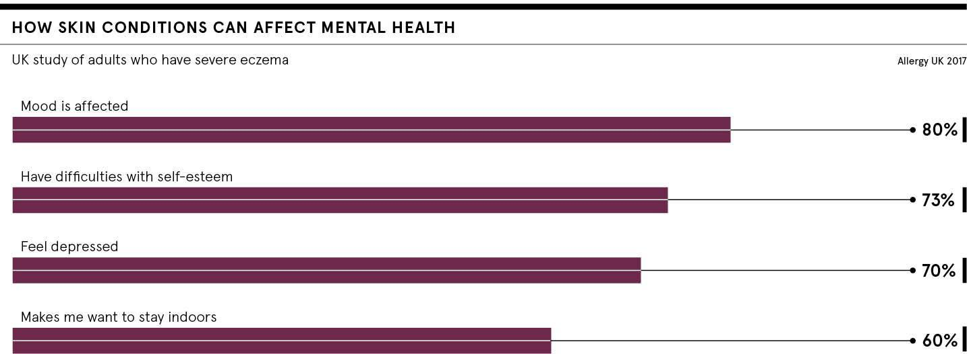
Figure 1: How Skin Conditions Can Affect Mental Health; Source: Morosini, 2019 [8].
Description: Some of the numerous psychological effects of adults who have eczema are depicted in the image above. The image shows a bar graph titled “How Skin Conditions Can Affect Mental Health”, based on a 2017 UK study of adults with severe eczema, conducted by Allergy UK. It highlights the psychological impact of severe eczema on individuals. The data indicates that 80% of adults with severe eczema report that their mood is affected, 73% experience difficulties with self-esteem, 70% feel depressed, and 60% are prompted to stay indoors due to their condition. Each of these statistics is represented by a horizontal bar, with their percentages noted down at the end of each row.
Skin diseases are one of the most misconceived conditions, especially in regard to the impact they may have on one's life. Many consider skin diseases to be minor cosmetic problems, with no significant challenges. On the contrary, as Zhang et al. [9] notes, psychosocial and occupational impacts of skin diseases can be as important, if not greater than those associated with other chronic medical conditions. This revelation underscores the necessity of studying both the physical and the psychological implications of skin diseases. Individuals living with chronic skin conditions often face physical discomfort, emotional distress, and social challenges, all of which contribute to a diminished quality of life.
One of the biggest challenges faced by individuals with skin diseases is the stigma attached to these conditions. Most of this stigma results from misconceptions of society about skin conditions, which are often regarded solely as cosmetic or hygienic problems, rather than serious health concerns. The trend also ignores that most skin diseases create substantial emotional and psychological impacts, often leading to feelings of shame, embarrassment, and low self-esteem among patients. Generally, the social stigma attached to skin conditions results in isolation, as these patients tend to withdraw from mainstream society to avoid judgmental or ridiculing looks.
In addition, skin diseases can negatively impact the professional life of an individual. Most people who suffered from chronic skin diseases reported problems at work; including discrimination or embarrassment stemming from employers or co-workers [10]. According to Arundel [11], visible skin conditions may affect hiring decisions and daily interactions in the workplace. The professional behavior of both colleagues and managers proves that more awareness and accommodation on the job would be beneficial for easing the burden of those afflicted with very visible skin conditions.
Moreover, the health care system often fails to meet all the needs brought forward by people suffering from skin diseases. According to Abbvie [12], most treatments for skin diseases tend to be focused on ensuring that physical symptoms are relieved while emotional and psychological support is almost totally neglected. Such patients struggle with their mental being and are not supported enough to get back on their feet [13]. This is a gap in care that can leave patients feeling unsupported, and also preserves the stigma associated with active skin diseases. Today, one finds an increasing need for a broader approach to treating skin diseases. Specifically, one that integrates psychological help, and addresses the broader impacts of a skin condition on patients' lives. This understanding and addressing of the wide range of problems associated with skin diseases provides a basis for an approach that has the potential to be both more empathetic and supportive, thus benefiting the quality of life for the affected individuals.
Causes of Skin Diseases
Most skin diseases are hereditary, meaning that they are passed down through generations. Many conditions of the skin are contributed to by the inheritance of Mendelian principles. These principles recognized that genetic disorders tend to follow the predictable style of genetic inheritance, which usually determines whether the gene involved is autosomal dominant or autosomal recessive. In the case of autosomal dominant conditions, the presence of just one copy of the mutated gene inherited from either parent is sufficient enough to cause the disease, highlighting the gene's dominant nature [14]. For example, if one of the parents has only one dominant gene which leads to certain skin disorders, then each child has a 50% chance of receiving the particular condition from that gene. On the other hand, autosomal recessive conditions require the individual to inherit two copies of the mutated gene; one from each parent. In other words, both parents must at least be carriers of the recessive gene f or the child to be affected. These parents are usually asymptomatic, and are called carriers, since they will pass the gene on to their offspring despite their not showing a mutation. The differences between dominant and recessive genes are crucial to know the chances for whether a person will express a skin disorder, as well as the risk to pass the condition on to their children.

Figure 2: Punnett Squares; Source: Tanisha Singh, 2024 (created with biorender.com) [15].
Description: This image displays sets of Punnett Squares, revealing all the possible genetic outcomes for a single gene trait. Each rectangle represents possible outcomes when two individuals with specific genotypes reproduce. The rectangles contain various combinations of dominant and recessive alleles, showing how likely these combinations are to appear in offspring. This accurately depicts the Mendelian laws of inheritance.
A Punnett Square is a key tool used by geneticists and biologists that helps predict the probability of an offspring contracting a particular trait or condition from its parents [16]. It was invented by Reginald Punnett in 1905. It enables scientists to conceptualize the likelihood of an outcome possible for a particular set of alleles. In simple terms, alleles are different versions of a gene that determines specific characteristics. The allele from one parent goes along the top, and the allele from the other parent goes along the side. Each rectangle in the grid represents a genetic possibility. By filling in the rectangles, the probability of an offspring inheriting a specific genotype (genetic makeup), reveals its phenotype (observable physical traits). For a particular characteristic determined by one gene with different alleles, the Punnett square can show the probabilities of offspring being homozygous dominant (BB), heterozygous (Bb), or homozygous recessive (bb). This diagram is really helpful to understand the pattern of Mendelian inheritance, and with the help of such diagrams, one could obtain an idea about the possibility of disorders occurring based on genes. In other words, Punnett squares are a tool that simplifies genetic probability and makes the outcomes easily understandable.
The Mental Health of Males vs Females
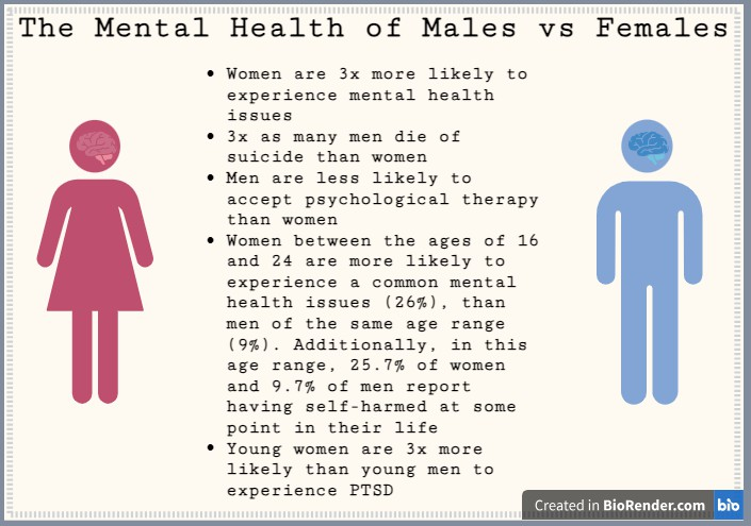
Figure 3: The Mental Health of Males vs Females; Source: Tanisha Singh, 2024 (created with biorender.com) [17].
Description: The image provides a comparison of the contrasting mental health challenges faced by males and females, focusing on the differences in frequency, outcomes, and treatment-seeking behaviors. It insinuates that women tend to experience higher rates of mental health issues, particularly in younger age groups, yet men face more severe outcomes of mental health issues, such as higher suicide rates. The image also highlights that women are more likely to seek psychological help, whereas men are generally more reluctant. Additionally, the data points to significant differences in experiences with conditions like PTSD and self-harm between young men and women.
Research has displayed that while both men and women experience mental health challenges, the prevalence, frequency, and outcomes of these challenges can significantly differ between the genders. Research has proven that women are more susceptible to mental health issues, such as anxiety and depression. This intensified vulnerability is due to a variety of reasons, such as hormonal changes, societal norms, and trauma and abuse. These conditions are most prevalent during late adolescence and into early adulthood, resulting in the worst mental health being in young women ages 16 to 24 [18].
Despite young women facing the most mental health challenges, men tend to experience more extreme negative outcomes, including a higher suicide rate. Approximately 75% of suicides are committed by men, with the average age range being around 40 to 49 years old [19]. This data is likely the result of men being less likely to seek psychological help or participate in some form of therapy. Societal norms surrounding masculinity discourage men from showing emotions, playing a major role in a man’s reluctance to seek outside help. As a result, men may internalize their struggles, leading to an overwhelmed sensation and an increased risk of depression and suicidal behavior. This data underscores the need to defy societal norms and attitudes towards men’s mental health.
Even with depression and anxiety being some of the more common mental health challenges an individual faces, post traumatic stress disorder (PTSD) is a big, less talked about issue that some individuals struggle with. According to McManus et al. [19], in the aftermath of a traumatic event, young women are 3 times more likely to develop PTSD than men. This is possibly due to women being more likely to experience certain types of traumas, including sexual assault. In the United States, data suggests that 1 in 5 women, and 1 in 71 men will be sexually assaulted at some point in their life [20]. Furthermore, self-harm is more common in young women than young men, reflecting the underlying emotional distress that is not always addressed through conventional mental health care methods.
An important thing to note is that mental health treatments are not one size fits all. One strategy may work for one individual, but not another. For men, mental health support may include creating more supportive environments, where they feel safe and comfortable talking about their mental well-being, while for women it could include talking about specific stress factors that lead to their worsening mental health. In the end, finding a refined approach to mental health treatments that considers the different ways men and women cope with their issues can lead to more effective prevention strategies.
Strategies to Benefit Mental Health
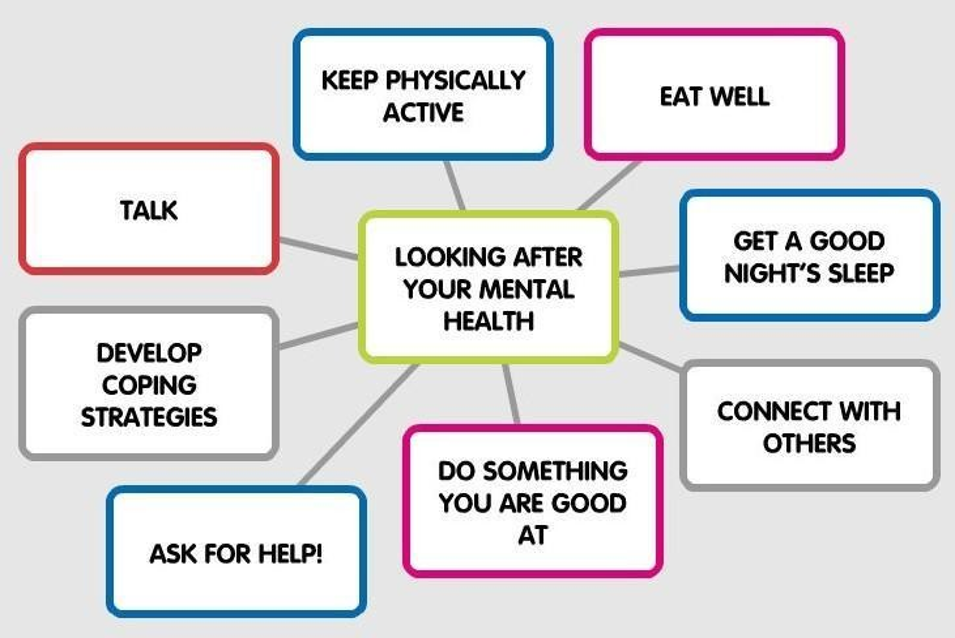
Figure 4: Looking After Your Mental Health; Source: Hassan, 2019 [21].
Description: The graphic provides key strategies for maintaining and improving mental health, as given by the title, Looking After Your Mental Health. There are several key points stated, including staying connected with others, asking for help when necessary, talking, and eating well. The graphic additionally highlights the importance of getting a good night’s sleep, developing coping strategies, doing activities you excel at, and keeping physically active. Each of these steps serves as a practical approach to maintaining mental well-being.
Managing mental health while dealing with skin diseases such as eczema, psoriasis, or acne can be challenging, but it is key to living a high quality of life. One helpful strategy is adopting a comprehensive approach to self-care. This involves combining dermatological treatments with mental health support, such as therapy or counseling. Cognitive-behavioral therapy (CBT), for example, has been shown to help individuals manage emotional distress by changing negative thought patterns and behaviors (Pruthi, 2019). Adding relaxation techniques such as mindfulness and meditation into your daily routine can also reduce stress, which can aggravate skin conditions.
Secondly, a person should be able to develop a good support network that can help elevate their mental state. In fact, as reported by Roosta et al. [22], in general, patients with skin diseases may feel isolated or become sensitive about their appearance. Reaching out to others who have similar experiences through in person support groups or online communities can provide emotional relief and a sense of belonging to some individuals. Family and friends can also do their part by providing company and encouraging him to keep positive views.
Furthermore, adopting a healthy lifestyle, including regular exercise, a balanced diet, and adequate sleep are both beneficial for overall health and also for skin conditions. Physical exercise has several beneficial effects on your body, for example, releasing endorphins, which enhance your mood and calm anxiety. A diet rich in vitamins and antioxidants provides your skin with all its needs, while sleeping allows your body time to repair and regenerate itself, therefore minimizing inflammation and clearing up the skin. Avoiding known triggers, such as certain foods or environmental factors, can also help manage flare-ups.
It is also important to seek professional help when necessary, in order to maintain good mental health. Dermatologists can be involved in designing a comprehensive treatment program along with a mental health professional, which treats not only the physical component of skin diseases but also the psychological component. In some extreme cases, skin conditions may be treated by prescription medication or other types of specialized treatments, but any accompanying mental health challenges are treated through therapy. This approach ensures the mind is taken care of, along with the body, hence bringing better results in individuals living with skin diseases.
Conclusion
In short, people with skin ailments suffer a variety of side effects due to both mental and physical conditions. Merging physically painful treatments with neglect towards one's mental health will ultimately make patients suffer much more than what is visible to the human eye. Moreover, the visibility of skin conditions may be related to stigma, self-consciousness, and isolation, because of which emotional vulnerability can increase and contribute toward any mental health condition. This is a symbiotic relationship between physical symptoms and psychological well-being that really emphasizes the need for a holistic approach in treating skin conditions. Adding mental health support into dermatological care can help healthcare professionals support their patients better by managing those emotional issues of living with a skin condition, thus improving their overall quality of life.
Further, the societal requirement for beauty steps up the psychological effects on the individual with the skin disease. Individuals are often bombarded with idealized images that may incite depressive and shameful feelings, thereby making those with visible skin conditions more susceptible to mental health issues such as depression and low self-esteem. Again, bringing such pressures to light allows the advocacy of an expanded and realistic view of what beauty truly is, which will help mitigate some of the psychological burden on these individuals. A more compassionate and sensitive approach to skin treatments will ultimately enable society to ensure that sufferers of skin diseases receive the care and empathy required to thrive.
Limitations
The purpose of this research was to elaborate on the mental and psychological effects of having a skin condition. Despite this being a secondary literature review, numerous primary source articles were utilized, all of which were confirmed to have accurate conclusions. While secondary literature articles provide valuable insights, they do not highlight the firsthand experience of an individual, and some information may not be complete or up to date. However, due to personally having a skin condition, all of the contents of this article have been checked for verification. The research explores mental health particularly related to a physical skin disease, and establishes the extent to which an individual might suffer internally.
Acknowledgments
This paper was completed under the supervision of Dr. Kathryn Wilwohl and Professor Virgel Torremocha.
Their guidance and encouragement was exceedingly helpful, and I am very thankful for their constant support. I would also like to thank Gifted Gabber for their help throughout this process.
References
- ForandRL,DowdK(2024)Chronicskindisorderscorrelatewithstigma,mental healthimpact inchildren. Healio Psoriatic Disease.
- Henderson AD, Adesanya E,Mulick,A,MatthewmanJ,VuN, et al. (2023) Commonmental healthdisordersinadultswithinflammatoryskinconditions: nationwide population-based matched cohort studies in the UK. BMC Medicine 21: 285.
- YewYW,KuanAHY,GeL,YapCW,HengBH(2020)Psychosocialimpactofskindiseases:A population-based study. PLoS One 15: e0244765.
- Chowdhury MR (2019) What Isthe Mental Health Continuum Model? (J. Nash, Ph.D, Ed.). Positive Psychology.Retrieved.
- Katella,K(2024)HowSocialMediaAffectsYourTeen'sMentalHealth:AParent'sGuide.YaleMedicine.Yale Medicine.
- Kam,K(2011)StressandAcne(S.S.Gardner,MD,Ed.).WebMD.
- EversAWM,vanBeugenS(2021)Howstressaffectstheskin: from designstomechanisms.BrJ Dermatol 185: 12-13.
- MorosiniD (2019)HOWSKINCONDITIONS CANAFFECTMENTALHEALTH[Illustration].Raconteur.
- ZhangXJ,Wang AP,ShiTY,ZhangJ,XuH, et al. (2019) Thepsychosocial adaptation of patients with skin disease: a scoping review. BMC Public Health 19: 1404.
- GermainN,AugustinM,FrançoisC,LegauK,BogoevaN, et al. (2021) Stigmainvisibleskindiseases –a literature reviewanddevelopment of aconceptual model. J Eur Acad Dermatol Venereol 35: 1493-1504.
- ArundelA(2024)CanSkinDiseasesAffectYourChancesinaJobInterview?AnneArundelDermatology.Anne Arundel Dermatology.
- Abbvie (2023) Recognizing the mental health impact of chronic skin disease. Abbvie.
- Peoplelivingwithskinconditionscansuffer mental healthdistress(InterviewbyThompson)[Transcript].(2019, June). British Skin Foundation.
- GreggAR,KullerJA,LockwoodCJ,CopelJA,DugoffL, et al. () Autosomal dominant. MedlinePlus.
- Singh,T(2024)PunnettSquares[Illustration].app.biorender.com.
- Phelan J (2013) Punnett Square. Brenner's Encyclopedia of Genetics, (2). ScienceDirect.
- SinghT(2024)TheMentalHealthofMalesvsFemales[Illustration].app.biorender.com.
- EdwardsJ,GoldieI,ElliotI,BreedveltJ,ChakkalackalL, et al. (2016) FUNDAMENTALFACTSABOUT MENTALHEALTH 2016.
- McManus S, BebbingtonP, Jenkins R, Brugha T(2023) Menand women: statistics. Mental Health Foundation.
- Statistics about sexual violence. National Sexual Violence Resource Center.
- HassanY(2019)LookingAfterYourMentalHealth[Illustration].linkedin.com.
- Roosta N, Black DS, Peng D, Riley LW (2017)Inflammatory skin disorders and self-esteem. Int J Womens Dermatol 4: 23-26.